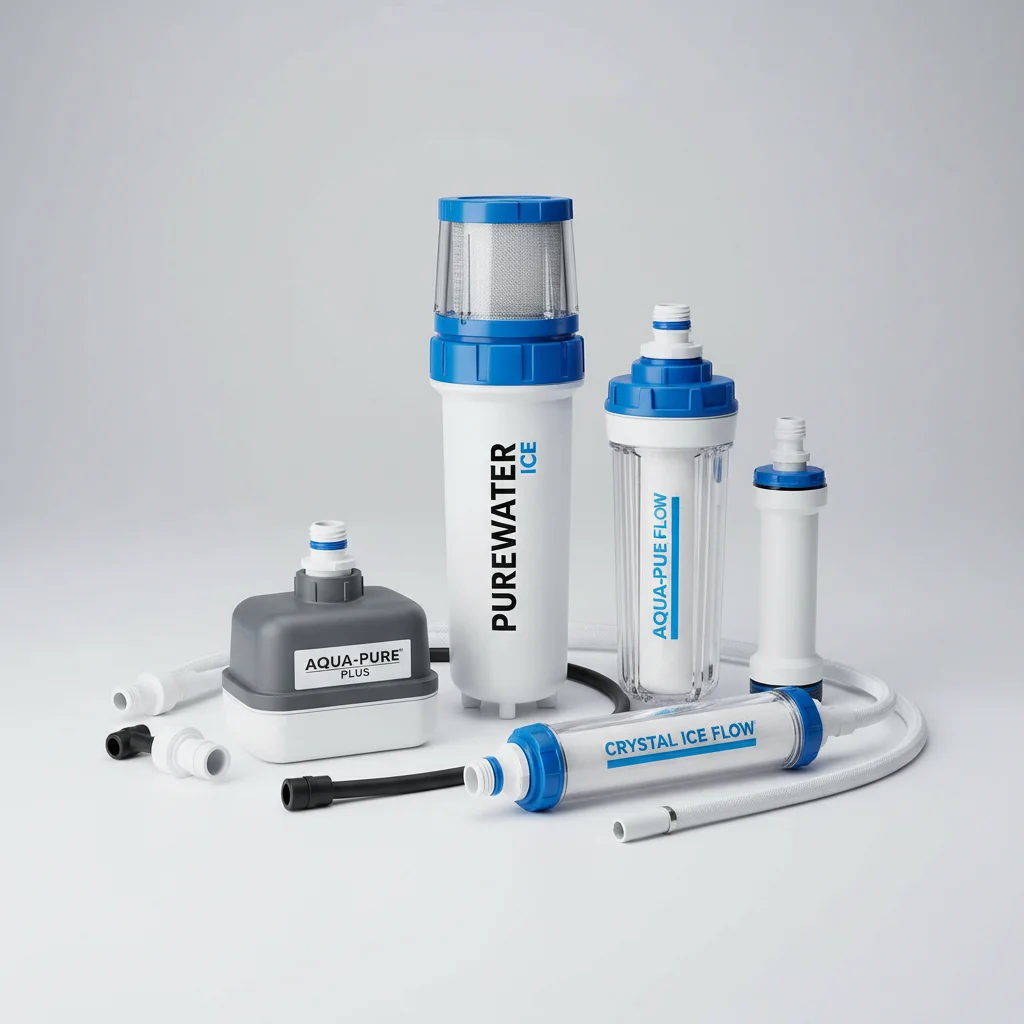
Yes, a water filter is essential for an ice maker because it significantly improves ice quality, protects the machine from mineral buildup, and extends its lifespan. Filters remove impurities like chlorine and sediment, ensuring crystal-clear, fresh-tasting ice while preventing limescale and internal damage to components.
Improved Ice Quality and Taste
The quality of your ice is directly linked to the quality of the water you use. Unfiltered tap water often contains chlorine, sediment, and other dissolved solids that can impart an unpleasant taste and odor to your ice. These impurities can also make your ice appear cloudy or opaque. An effective water filter removes these contaminants, resulting in ice that is crystal clear, tastes fresh, and enhances the flavor of your beverages. This is particularly noticeable in drinks where ice is a prominent component, such as cocktails or iced tea. For more ice maker guides on this site.
Protection Against Mineral Buildup
Hard water, prevalent in many regions, contains high levels of minerals like calcium and magnesium. When this water is used in an ice maker, these minerals can accumulate on internal components, including the evaporator plate and water lines. This buildup, known as limescale, can reduce the efficiency of your machine, increase energy consumption, and eventually lead to costly repairs. A good water filter, especially one designed to reduce hardness, acts as a preventative measure, significantly minimizing mineral deposits and keeping your ice maker running smoothly.
- Prevents limescale on evaporator plates.
- Reduces clogs in water lines.
- Extends the life of internal pumps.
- Maintains optimal ice production speed.
- Lowers the frequency of descaling.
Extending Your Ice Maker’s Lifespan
|
Our Picks for the Best Ice Maker in 2026
As an Amazon Associate I earn from qualifying purchases.
|
||
| Num | Product | Action |
|---|---|---|
| 1 | ETL Approval Clear Ice Cube Maker Countertop, 3 Crystal 1.6" Clear Ice Cube in 10-20Mins, Slow-Melting & Adjustable Ice Thickness, Ice Makers Countertop with Self-Cleaning for Kitchens/Home/Office |

|
| 2 | Nugget Ice Maker Countertop, Silonn Chewable Pellet Ice Machine with Self-Cleanin Function, 33lbs/24H Portable Ice Makers for Home Kitchen Officce, Black |
|
| 3 | Efficient Countertop Ice Maker |
|
| 4 | Silonn Ice Maker Countertop, Portable Ice Machine with Carry Handle, Self-Cleaning Ice Makers with Basket and Scoop, 9 Cubes in 6 Mins, 26 lbs per Day, Ideal for Home, Kitchen, Camping, RV |
|
| 5 | FRIGIDAIRE Touchscreen Nugget Ice Maker, Countertop Ice Machine, Sonic Ice Maker with 33 lbs. Capacity, Slate |
|
| 6 | Frigidaire Countertop Crunchy Chewable Nugget Ice Maker, Compact, 33lbs per Day, Metallic Finish |
|
| 7 | Typhur Fast Nugget Ice Maker Countertop with Self-Cleaning Pump, 35lbs/24H Crushed Pebble Ice Machine with Pellet Ice, 8 Packs Cleaner, Dual Ice Scoops for Home, Kitchen, Party, RV, Stainless Steel |
|
| 8 | Frigidaire 26 Lbs per Day Portable Compact Maker, Ice Making Machine, Stainless, Medium |
|
| 9 | Silonn Nugget Ice Maker Countertop, Pebble Ice Maker with Soft Chewable Ice, One-Click Operation Ice Machine with Self-Cleaning, 33lbs/24H for Home,Kitchen,Office |
|
| 10 | EUHOMY Countertop Ice Maker Machine with Handle, 26lbs in 24Hrs, 9 Ice Cubes Ready in 6 Mins, Auto-Cleaning Portable Ice Maker with Basket and Scoop, for Home/Kitchen/Camping/RV. (Black) |
|
Beyond taste and mineral protection, water filters play a crucial role in extending the overall lifespan of your ice maker. Sediment, rust particles, and other debris found in unfiltered water can abrade internal parts, clog nozzles, and strain the pump. Over time, these issues can lead to premature wear and tear, requiring more frequent maintenance or even replacement of the entire unit. By filtering out these harmful particles, you reduce stress on the machine’s components, ensuring it operates efficiently and reliably for years to come.
Choosing the Right Water Filter
When selecting an ice maker water filter, consider the type of contaminants present in your local water supply. Some filters are designed primarily for sediment removal, while others target chlorine, lead, or even specific bacteria. Check your ice maker’s manual for recommended filter types or brands, as some manufacturers offer proprietary filters that integrate seamlessly with their machines. Universal inline filters are also available and can be installed with most portable and under-counter ice makers. Always prioritize filters certified by organizations like NSF International for proven performance.
Installation and Maintenance
Installing an ice maker water filter is typically a straightforward process, whether it’s an internal cartridge or an external inline filter. For internal filters, simply follow the instructions in your appliance manual for replacement. Inline filters usually connect to the water supply line leading to your ice maker. Regular maintenance is key to the filter’s effectiveness; most filters need to be replaced every 3 to 6 months, depending on water quality and usage. Neglecting filter replacement can lead to reduced water flow, diminished filtration, and potentially reintroducing contaminants into your ice.
Frequently Asked Questions
Why is a water filter necessary for an ice maker?
A water filter is necessary for an ice maker to improve ice taste and clarity, protect the machine from mineral buildup, and extend its overall lifespan. It removes impurities like chlorine and sediment that can degrade ice quality and damage internal components.
How do water filters improve the taste of ice?
Water filters improve ice taste by removing contaminants such as chlorine, dissolved solids, and sediment from tap water. This results in ice that is crystal clear, tastes fresh, and enhances the flavor of beverages, especially in drinks like cocktails.
What kind of damage can unfiltered water cause to an ice maker?
Unfiltered water can cause significant damage to an ice maker, primarily through mineral buildup (limescale) on evaporator plates and water lines, and abrasion from sediment and rust particles. This can reduce efficiency, clog nozzles, strain the pump, and lead to costly repairs or premature unit replacement.
How often should an ice maker water filter be replaced?
Most ice maker water filters should be replaced every 3 to 6 months, depending on your local water quality and how frequently the ice maker is used. Regular replacement ensures optimal filtration and prevents contaminants from reintroducing into your ice.
Are universal inline filters compatible with all ice makers?
Universal inline filters are compatible with most portable and under-counter ice makers, offering a versatile filtration solution. However, it's always best to check your ice maker's manual for any specific filter recommendations or proprietary filter requirements from the manufacturer.
Get our weekly buyer guide
Practical specs, not advice. Unsubscribe anytime.

My old ice maker died prematurely, and I suspect it was due to hard water. The explanation about filters extending lifespan by preventing internal damage really resonated. I’m not taking any chances with my new machine; a good water filter is a must-have to keep it running smoothly for years.
I’ve always had issues with cloudy ice, and I figured it was just my tap water. The point about sediment causing opacity really hit home. Since adding a filter, my ice is noticeably clearer. I’m hoping it also helps with preventing limescale buildup in the long run, which has been a problem with past machines.
I used to think a filter was overkill for my ice maker, but after reading about how chlorine affects taste, I decided to try one. What a difference! My ice is so much clearer now, and my iced tea actually tastes better. It’s definitely worth the small investment for the improved quality.
I got a filter for my new countertop ice maker because I wanted to protect it from mineral buildup. While the ice does seem a little clearer, I haven’t noticed a huge change in taste. It was a bit of a hassle to install too, which was annoying. Maybe it’ll pay off more over time for machine longevity.