Stainless steel ice makers are highly rust-resistant due to their chromium content, which forms a self-repairing protective layer, making them a durable and hygienic choice for consistent ice production. These machines are available in various configurations, from compact countertop units to powerful commercial models, all designed to withstand the corrosive effects of water and maintain their integrity and aesthetic appeal over many years. Investing in a stainless steel ice maker ensures a reliable supply of clean ice for daily beverages, entertaining, or business needs.
Popular Rust-Resistant Stainless Steel Ice Maker Categories
Stainless steel ice makers come in various configurations, each designed to meet specific needs while leveraging the material’s inherent resistance to corrosion. From compact countertop units to powerful commercial machines, the core benefit of stainless steel remains its ability to withstand moisture and prevent rust, which is crucial for any appliance constantly exposed to water.
Countertop Stainless Steel Ice Makers
These compact units are ideal for home kitchens, small offices, or recreational vehicles, offering convenience without requiring permanent installation. Countertop models prioritize ease of use and portability, making them perfect for on-demand ice.
- Advantages: They are typically small, user-friendly, and fit easily on most kitchen counters. Many models produce ice quickly, often within minutes, making them highly efficient for immediate needs. Their stainless steel exterior contributes to a sleek, modern aesthetic and is easy to wipe clean.
- Disadvantages: Their production capacity and storage are generally smaller compared to undercounter or commercial models, often ranging from 20 to 40 pounds per day. They are best suited for individual or small group use rather than large gatherings or continuous high demand.
- Notable Features: Look for models with self-cleaning functions, alerts for full ice baskets or low water levels, and bullet or nugget ice types.
Undercounter Stainless Steel Ice Makers
Designed for integration into kitchen cabinetry or bar setups, undercounter ice makers offer a more permanent and aesthetically seamless solution. These are popular in both high-end residential kitchens and light commercial settings like bars and cafes.
- Advantages: They offer a balance of production capacity and space efficiency, often producing 50 to 100 pounds of ice per day. Their built-in design creates a polished, integrated look, and they often come with features like drain pumps for flexible installation. The robust stainless steel construction ensures they stand up to frequent use in demanding environments.
- Disadvantages: Installation can be more complex due to plumbing and electrical requirements. They typically have a higher initial cost than countertop models and are not easily moved once installed.
- Notable Features: Consider ice type (gourmet clear cubes are common), storage bin size, drainage type (gravity or pump), and front ventilation for proper operation when built-in.
Commercial Stainless Steel Ice Machines
|
Our Picks for the Best Ice Maker in 2026
As an Amazon Associate I earn from qualifying purchases.
|
||
| Num | Product | Action |
|---|---|---|
| 1 | Typhur Fast Nugget Ice Maker Countertop with Self-Cleaning Pump, 35lbs/24H Crushed Pebble Ice Machine with Pellet Ice, 8 Packs Cleaner, Dual Ice Scoops for Home, Kitchen, Party, RV, Stainless Steel |

|
| 2 | Frigidaire Countertop Crunchy Chewable Nugget Ice Maker, Compact, 33lbs per Day, Metallic Finish |
|
| 3 | ETL Approval Clear Ice Cube Maker Countertop, 3 Crystal 1.6" Clear Ice Cube in 10-20Mins, Slow-Melting & Adjustable Ice Thickness, Ice Makers Countertop with Self-Cleaning for Kitchens/Home/Office |
|
| 4 | FRIGIDAIRE Touchscreen Nugget Ice Maker, Countertop Ice Machine, Sonic Ice Maker with 33 lbs. Capacity, Slate |
|
| 5 | Silonn Nugget Ice Maker Countertop, Pebble Ice Maker with Soft Chewable Ice, One-Click Operation Ice Machine with Self-Cleaning, 33lbs/24H for Home,Kitchen,Office |
|
| 6 | Frigidaire 26 Lbs per Day Portable Compact Maker, Ice Making Machine, Stainless, Medium |
|
| 7 | Nugget Ice Maker Countertop, Silonn Chewable Pellet Ice Machine with Self-Cleanin Function, 33lbs/24H Portable Ice Makers for Home Kitchen Officce, Black |
|
| 8 | Silonn Ice Maker Countertop, Portable Ice Machine with Carry Handle, Self-Cleaning Ice Makers with Basket and Scoop, 9 Cubes in 6 Mins, 26 lbs per Day, Ideal for Home, Kitchen, Camping, RV |
|
| 9 | EUHOMY Countertop Ice Maker Machine with Handle, 26lbs in 24Hrs, 9 Ice Cubes Ready in 6 Mins, Auto-Cleaning Portable Ice Maker with Basket and Scoop, for Home/Kitchen/Camping/RV. (Black) |
|
| 10 | Efficient Countertop Ice Maker |
|
For businesses with high ice demand, such as restaurants, hotels, and healthcare facilities, commercial stainless steel ice machines are essential. These heavy-duty units are engineered for continuous, large-volume ice production.
- Advantages: Commercial machines boast impressive production capacities, ranging from hundreds to over a thousand pounds of ice per day, ensuring a constant supply for peak hours. Their all-stainless steel components, including freezing surfaces, are built for extreme durability and to meet stringent food safety standards, resisting corrosion even in harsh industrial conditions. Many come with advanced diagnostics and self-cleaning cycles.
- Disadvantages: These are significantly larger and more expensive, requiring dedicated space, power, and professional plumbing. They are not suitable for typical residential use due to their size and output.
- Notable Features: Look for features like DuraTech stainless steel finishes for added corrosion and fingerprint resistance, various ice forms (half-cube, full-cube, flake, nugget), and comprehensive warranties on evaporators.
Top 5 Stainless Steel Ice Makers That Resist Rusting
When choosing an ice maker, the material is a critical factor for long-term performance, especially concerning rust and corrosion. Stainless steel stands out as the superior choice, offering durability and maintaining hygiene. Here are five top stainless steel ice makers known for their robust, rust-resistant construction, spanning various applications.
1. Frigidaire Stainless Steel Countertop Ice Maker
The Frigidaire Stainless Steel Countertop Ice Maker is a perennial favorite for home users seeking reliability and convenience. Its compact design belies its efficient performance, quickly producing bullet-shaped ice cubes. The unit’s stainless steel exterior not only provides a sleek, modern aesthetic that complements any kitchen but also ensures strong resistance to rust and wear from daily exposure to moisture. Users appreciate its simple operation and quick ice production, making it ideal for casual use, small gatherings, or adding to your favorite beverages without delay.
2. GE Profile Opal 2.0 Nugget Ice Maker
Renowned for its ability to produce soft, chewable nugget ice, the GE Profile Opal 2.0 is a premium stainless steel ice maker that brings a popular restaurant-style ice experience home. Its elegant stainless steel finish is not just for looks; it contributes significantly to the unit’s longevity and resistance to corrosion, a common concern with ice makers. This model often includes a side tank for extended water capacity, reducing the frequency of refills. The durable construction makes it a favorite for those who prioritize both unique ice quality and lasting performance.
3. Scotsman CU50GA Undercounter Gourmet Cube Ice Maker
For those demanding commercial-grade quality in an undercounter setting, the Scotsman CU50GA is an exceptional choice. This machine is crafted with high-quality stainless steel, making it incredibly durable and resistant to rust, even in humid environments typical of bars or outdoor kitchens. It specializes in producing clear, slow-melting gourmet ice cubes, prized by cocktail enthusiasts and fine dining establishments. Its robust construction is reflected in its NSF/UL approval, guaranteeing it meets rigorous commercial standards for safety and sanitation, ensuring a long, rust-free operational life.
4. Manitowoc Indigo NXT Series Commercial Ice Machine (e.g., IYT0500A)
When industrial-scale ice production is required, the Manitowoc Indigo NXT Series stands as a leader. Models like the IYT0500A are built with a “DuraTech stainless steel finish,” specifically engineered for superior corrosion resistance and to repel fingerprints and dirt. This advanced finish protects the machine’s exterior from the demanding conditions of commercial kitchens, where moisture and frequent cleaning are common. Beyond its rust-resistant exterior, internal components are also designed for durability, making it a workhorse for high-volume ice production in restaurants, hotels, and other large establishments.
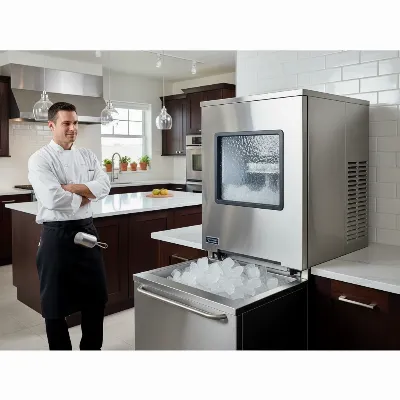 A robust commercial stainless steel ice maker in a professional kitchen setting.
5. North Star Flake Ice Machines
North Star Flake Ice Machines are built with a singular focus on industrial durability and performance, especially for applications like seafood preservation and food processing. Their defining feature is a “solid stainless steel freezing surface” and comprehensive stainless steel components throughout, ensuring unmatched resistance to chipping, flaking, pitting, rust, and corrosion. This commitment to stainless steel extends to a lifetime evaporator warranty, highlighting their confidence in the material’s longevity. These machines produce sub-cooled flake ice, vital for maintaining the cold chain and extending the shelf life of perishable goods, proving stainless steel is the material of choice for the most demanding environments.
Comparing Stainless Steel Ice Makers
The market offers a diverse range of stainless steel ice makers, each tailored for different applications. Understanding their distinctions in capacity, ice type, and cost is crucial for making an informed decision.
Detailed Comparison Table
| Feature | Countertop Ice Maker (e.g., Frigidaire) | Undercounter Ice Maker (e.g., Scotsman) | Commercial Ice Machine (e.g., Manitowoc) |
|---|---|---|---|
| Primary Use | Home, small office, recreational | Upscale home, bar, small café | Restaurants, hotels, industrial |
| Capacity | 20-40 lbs/day | 50-100 lbs/day | 500-1600+ lbs/day |
| Ice Type | Bullet, Nugget | Gourmet Cube, Crescent | Half-Cube, Full-Cube, Flake, Nugget |
| Footprint | Small, portable | Integrated, built-in | Large, often freestanding |
| Price Range | $100 – $400 | $1,000 – $3,000 | $3,000 – $10,000+ |
| Installation | Plug & play | Plumbing required | Professional plumbing & electrical |
| Rust Resistance | Excellent (exterior & internal parts) | Excellent (exterior & internal parts) | Superior (DuraTech finish, solid freezing surfaces) |
Key Differences and Considerations
When comparing stainless steel ice makers, it’s important to weigh several factors beyond just their rust-resistant properties.
- Production and Storage Capacity: For home use, a countertop model with 20-40 lbs/day is often sufficient, providing ice on demand. Undercounter units increase this to 50-100 lbs/day, suitable for frequent entertaining. Commercial machines are designed for continuous, high-volume needs, producing hundreds or even thousands of pounds daily, essential for businesses to avoid ice shortages.
- Ice Type and Quality: Different machines produce different types of ice, catering to various preferences and applications. Bullet and nugget ice are popular for drinks and chewability, common in countertop models. Gourmet clear cubes, found in high-end undercounter machines like Scotsman, are ideal for cocktails because they melt slowly and don’t dilute drinks. Commercial units offer a wider range, including flake ice for food preservation, and various cube sizes for diverse beverage services.
- Installation and Maintenance: Countertop models offer “plug and play” convenience. Undercounter units, while integrated, require professional plumbing for water supply and drainage. Commercial machines demand complex installation, including dedicated power and robust plumbing. Regardless of type, stainless steel ice makers benefit from regular cleaning (often with a vinegar solution) to maintain performance and prevent mineral buildup, though their rust-resistant nature reduces concerns about material degradation.
> “Investing in a high-quality stainless steel ice maker was one of the best decisions for my restaurant. The reliability and clean ice production are unmatched, and I never worry about rust affecting the quality.” – Chef Elena Rodriguez, Owner of “The Bistro”
Buying Guide for Stainless Steel Ice Makers
Choosing the right stainless steel ice maker involves a thoughtful assessment of your specific needs, budget, and desired features. Focusing on rust-resistant models ensures durability, but other factors also contribute to long-term satisfaction.
Determine Your Usage Needs
Before diving into models, clearly define how much ice you need and for what purpose.
- Daily Ice Volume: For a single person or small family, a countertop model producing 20-30 lbs/day might be plenty. If you host frequently or have a larger household, an undercounter unit capable of 50-70 lbs/day might be more appropriate. Businesses need to calculate peak demand, often requiring commercial machines that produce hundreds of pounds daily.
- Application: Are you making ice for everyday drinks, cocktails, food preservation, or large-scale beverage service? This will influence the ideal ice type and machine capacity. For instance, flake ice is best for preserving fresh produce, while clear cubes are favored for high-end drinks.
- Space and Installation: Measure your available space. Countertop models are flexible. Undercounter units need precise measurements for built-in installation and access to plumbing. Commercial machines require substantial dedicated space and professional setup.
Key Features to Prioritize
While all stainless steel ice makers offer rust resistance, some features enhance their durability and user experience.
- Type of Stainless Steel: Higher grades of stainless steel (e.g., 304 food-grade) offer superior corrosion resistance and are often found in commercial and premium residential units. Some brands, like Manitowoc, use specialized finishes (e.g., DuraTech) for extra protection against rust and fingerprints.
- Self-Cleaning Function: This feature is invaluable for maintaining hygiene and preventing mineral buildup, which can lead to operational issues and affect ice quality. Many modern stainless steel ice makers, especially countertop and undercounter models, now include this.
- Internal Components: Look for machines where internal parts, particularly the freezing surface and water contact areas, are also made of stainless steel or other corrosion-resistant, food-safe materials. North Star, for instance, emphasizes a solid stainless steel freezing surface with a lifetime warranty.
- Drainage Options (for built-in units): Undercounter units either use gravity drains (requiring a floor drain) or come with a built-in drain pump, offering more flexibility in placement. Ensure your chosen model aligns with your installation capabilities.
- Energy Efficiency: Look for ENERGY STAR certified models, especially for larger units, to reduce operating costs over time.
- Noise Level: Some ice makers can be quite noisy. If the machine will be in a living area or office, consider models advertised as quiet.
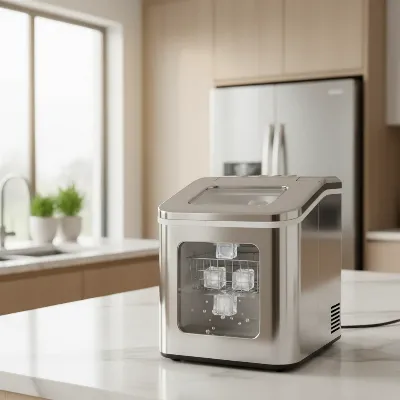 A sleek stainless steel countertop ice maker in a modern kitchen setup.
Maintenance Tips for Longevity
Even rust-resistant stainless steel benefits from proper care to ensure a long lifespan and optimal performance.
- Regular Cleaning: Follow the manufacturer’s guidelines for cleaning. Most recommend a periodic deep clean with a descaling solution or a vinegar-water mixture to remove mineral deposits, especially in areas with hard water.
- Use Filtered Water: This reduces mineral buildup, which can extend the life of your machine and improve ice taste.
- Keep Vents Clear: Ensure proper airflow, especially for built-in units, to prevent overheating and ensure efficient operation.
- Avoid Abrasive Cleaners: Use soft cloths and non-abrasive cleaners on stainless steel surfaces to prevent scratching.
Conclusion
Choosing a stainless steel ice maker is a smart investment for anyone seeking durability, hygiene, and consistent performance. These machines, whether compact countertop units for home use, integrated undercounter models for upscale kitchens, or heavy-duty commercial powerhouses, offer superior resistance to rust and corrosion thanks to their robust construction. By prioritizing models from reputable brands with proven stainless steel designs and features like self-cleaning cycles or specialized finishes, you can ensure your ice maker provides years of reliable, clean ice production. Remember to match the machine’s capacity and features to your specific needs, and with proper maintenance, your rust-resistant stainless steel ice maker will remain a valuable asset, delivering perfectly chilled beverages every time.
What are your biggest considerations when upgrading to a new ice maker?
Frequently Asked Questions
What makes stainless steel ice makers rust-resistant?
Stainless steel contains chromium, which forms a thin, passive protective layer on the surface. This layer continuously self-repairs in the presence of oxygen, effectively preventing rust and corrosion, making it highly durable for water-contacting appliances like ice makers.
How often should I clean my stainless steel ice maker to prevent rust?
While stainless steel is rust-resistant, regular cleaning, typically every 1-3 months depending on usage and water hardness, helps prevent mineral buildup that can affect performance and hygiene. Always use the manufacturer’s recommended cleaning solutions or a vinegar solution.
Can I use a stainless steel ice maker outdoors?
Many commercial-grade and some residential stainless steel ice makers are designed for outdoor use. Look for models specifically rated for outdoor installation, as they often have enhanced insulation and weather-resistant components to handle varying environmental conditions.
Are stainless steel ice makers more expensive than plastic ones?
Generally, yes. Stainless steel ice makers typically have a higher upfront cost due to the material’s superior durability, aesthetic appeal, and often, more advanced features. However, their extended lifespan and lower maintenance requirements often result in a better long-term value compared to less durable plastic alternatives.
Does the type of water affect my stainless steel ice maker?
Yes, using hard water (water with high mineral content) can lead to limescale buildup inside the machine, which can reduce efficiency and potentially damage components over time. While stainless steel itself resists rust, filtered water is highly recommended to minimize mineral deposits and ensure the purest ice taste.
Frequently Asked Questions
What makes stainless steel ice makers resistant to rust?
Stainless steel ice makers are rust-resistant because they contain chromium, which creates a thin, self-repairing protective layer on the surface. This layer prevents corrosion, making the material highly durable for appliances constantly exposed to water.
How frequently should I clean my stainless steel ice maker?
You should clean your stainless steel ice maker regularly, typically every 1 to 3 months, depending on usage and water hardness. This practice helps prevent mineral buildup, which can affect performance and hygiene, even though the stainless steel itself resists rust.
Are stainless steel ice makers suitable for outdoor environments?
Yes, many commercial-grade and some residential stainless steel ice makers are designed for outdoor use. When selecting one for outdoor installation, look for models specifically rated for such conditions, as they often feature enhanced insulation and weather-resistant components.
Is filtered water necessary for a stainless steel ice maker?
Yes, using filtered water is highly recommended for stainless steel ice makers. Hard water, with its high mineral content, can lead to limescale buildup inside the machine, reducing efficiency and potentially causing damage over time, even though the stainless steel itself resists rust.
What are the main types of stainless steel ice makers?
The main types of stainless steel ice makers include countertop models (20-40 lbs/day capacity), undercounter units (50-100 lbs/day capacity), and commercial machines (500-1600+ lbs/day capacity). Each type is designed for different usage needs, from home use to high-volume business operations.
Choose a Rust-Resistant Stainless Steel Ice Maker
Selecting the right stainless steel ice maker involves assessing your needs, budget, and desired features to ensure durability and consistent performance.
Calculate how much ice you need per day. A countertop model producing 20-30 lbs/day is often sufficient for a small family, while an undercounter unit with 50-70 lbs/day suits larger households or frequent entertaining. Businesses may require commercial machines producing hundreds of pounds daily.
Look for higher grades of stainless steel, such as 304 food-grade, for superior corrosion resistance. Features like self-cleaning functions, stainless steel internal components, and specialized finishes (e.g., DuraTech) enhance longevity and hygiene.
Decide on the preferred ice type (bullet, nugget, gourmet cube, flake) based on your application. Countertop models are plug-and-play, while undercounter and commercial units require professional plumbing and electrical installation, with options for gravity or pump drainage.
Regular cleaning with manufacturer-recommended solutions or a vinegar-water mixture is crucial to prevent mineral buildup. Using filtered water and ensuring clear vents will extend the machine's lifespan and maintain ice quality.
Get our weekly buyer guide
Practical specs, not advice. Unsubscribe anytime.

I was looking for something really compact for my small apartment, and while the stainless steel aspect is great for hygiene, the model I got (a small Vremi) is a little slower than I hoped. It takes a while to get a full batch going, which can be annoying if I need ice quickly. It does look nice on the counter though, and no rust so far.
My business relies on a steady supply of ice, and I needed something that could handle constant use without corroding. The information about chromium content and its self-repairing layer convinced me to invest in a commercial-grade stainless steel unit. It’s been running flawlessly for months, producing high-quality ice without any issues. Definitely a solid investment.
I’m so glad I went with a stainless steel model after reading up on them. My old plastic one started looking gross after a year, but this new one from GE is fantastic. It’s a countertop unit and fits perfectly in my kitchen, making plenty of ice for our family’s daily use. No rust spots or weird smells, just clean, clear ice every time.
We host a lot of parties, and our fridge’s ice maker just couldn’t keep up. This post really highlighted the durability of stainless steel, which was a big selling point for me. I picked up a Whynter model, and it’s been a game-changer for entertaining. It’s a bit louder than I expected when it drops ice, but the consistent supply is worth it.