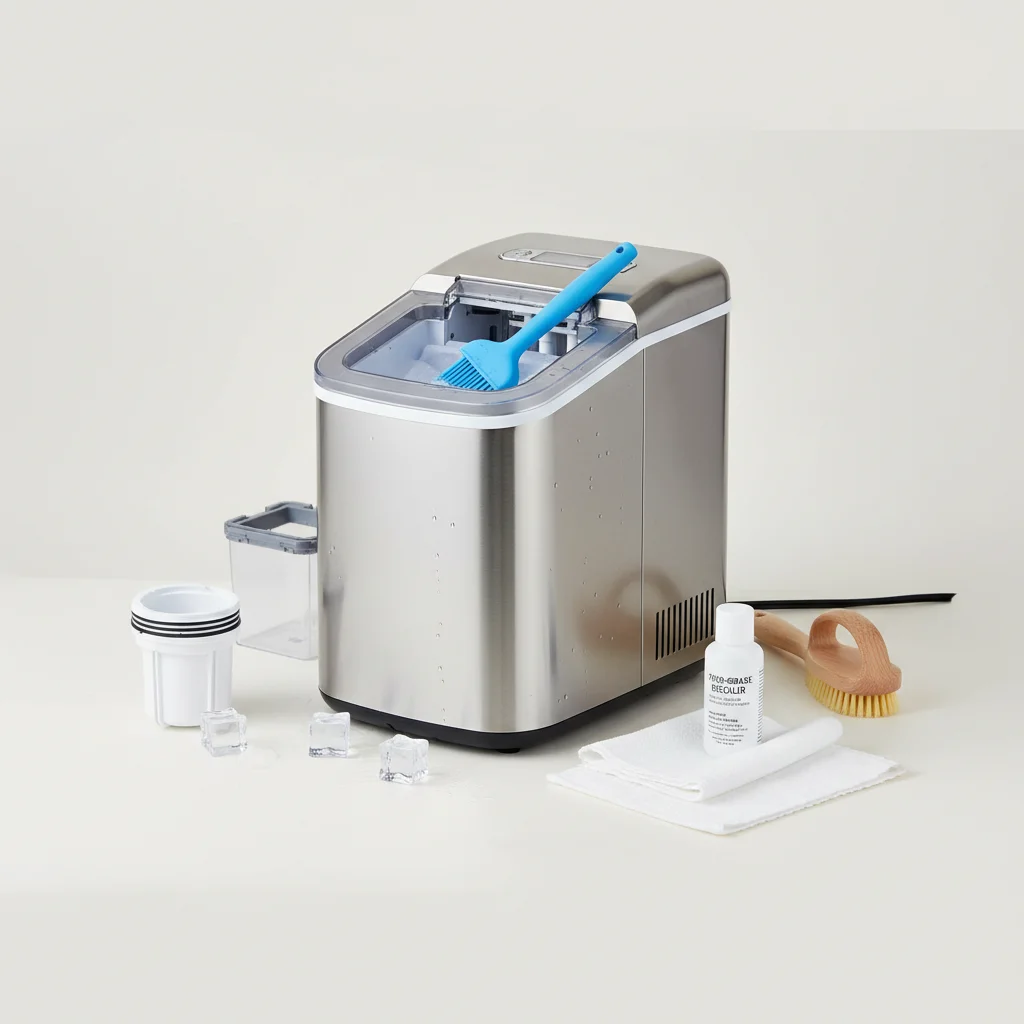
Maintaining your ice maker is crucial for its longevity and the quality of your ice. Generally, you should clean your ice maker at least once every three to six months, depending on usage and water hardness. For heavy users or those in areas with hard water, more frequent cleaning, perhaps every two to three months, is advisable to prevent mineral buildup and mold growth. Regular maintenance ensures your ice maker operates efficiently, produces clean, fresh-tasting ice, and avoids costly repairs down the line.
Why Regular Ice Maker Cleaning is Essential
Regular cleaning prevents the accumulation of mineral deposits, mold, and mildew, which can affect the taste and safety of your ice. Hard water, common in many regions, leaves behind calcium and magnesium deposits that can clog water lines and reduce the efficiency of the freezing process. Mold and mildew thrive in damp environments, and an ice maker provides an ideal breeding ground if not cleaned regularly. These contaminants can lead to unpleasant odors and flavors in your ice, and in some cases, pose health risks.
Signs Your Ice Maker Needs Immediate Cleaning
Several indicators suggest your ice maker requires immediate attention. If your ice has an unusual taste or smell, appears cloudy, or if the ice production has slowed down significantly, it’s time for a thorough cleaning. Visible mold or mildew inside the ice maker, especially around the ice bin or water reservoir, is another clear sign. Additionally, if you notice a slimy film on the internal components, do not delay cleaning. Addressing these signs promptly can prevent further issues and ensure your ice remains safe for consumption.
Step-by-Step Guide to Cleaning Your Ice Maker
|
Our Picks for the Best Ice Maker in 2026
As an Amazon Associate I earn from qualifying purchases.
|
||
| Num | Product | Action |
|---|---|---|
| 1 | Frigidaire Countertop Crunchy Chewable Nugget Ice Maker, Compact, 33lbs per Day, Metallic Finish |

|
| 2 | Silonn Nugget Ice Maker Countertop, Pebble Ice Maker with Soft Chewable Ice, One-Click Operation Ice Machine with Self-Cleaning, 33lbs/24H for Home,Kitchen,Office |
|
| 3 | Frigidaire 26 Lbs per Day Portable Compact Maker, Ice Making Machine, Stainless, Medium |
|
| 4 | EUHOMY Countertop Ice Maker Machine with Handle, 26lbs in 24Hrs, 9 Ice Cubes Ready in 6 Mins, Auto-Cleaning Portable Ice Maker with Basket and Scoop, for Home/Kitchen/Camping/RV. (Black) |
|
| 5 | Typhur Fast Nugget Ice Maker Countertop with Self-Cleaning Pump, 35lbs/24H Crushed Pebble Ice Machine with Pellet Ice, 8 Packs Cleaner, Dual Ice Scoops for Home, Kitchen, Party, RV, Stainless Steel |
|
| 6 | Silonn Ice Maker Countertop, Portable Ice Machine with Carry Handle, Self-Cleaning Ice Makers with Basket and Scoop, 9 Cubes in 6 Mins, 26 lbs per Day, Ideal for Home, Kitchen, Camping, RV |
|
| 7 | Nugget Ice Maker Countertop, Silonn Chewable Pellet Ice Machine with Self-Cleanin Function, 33lbs/24H Portable Ice Makers for Home Kitchen Officce, Black |
|
| 8 | Efficient Countertop Ice Maker |
|
| 9 | ETL Approval Clear Ice Cube Maker Countertop, 3 Crystal 1.6" Clear Ice Cube in 10-20Mins, Slow-Melting & Adjustable Ice Thickness, Ice Makers Countertop with Self-Cleaning for Kitchens/Home/Office |
|
| 10 | FRIGIDAIRE Touchscreen Nugget Ice Maker, Countertop Ice Machine, Sonic Ice Maker with 33 lbs. Capacity, Slate |
|
Cleaning your ice maker involves a few key steps. First, always unplug the unit and empty the ice bin. Remove any removable parts like the ice scoop or water filter for separate cleaning. Next, prepare a cleaning solution, typically a mixture of white vinegar and water, or a commercial ice maker cleaner. Follow the manufacturer’s instructions for the specific cleaner you are using. Run the cleaning cycle if your machine has one, or manually scrub the interior surfaces with a soft cloth or brush. Rinse thoroughly with clean water to remove all traces of the cleaning solution.
- Unplug the ice maker and empty the ice bin.
- Remove and clean all detachable components.
- Prepare a cleaning solution (vinegar and water or commercial cleaner).
- Clean interior surfaces, paying attention to hard-to-reach areas.
- Rinse thoroughly to remove all cleaning solution residue.
Maintaining Optimal Performance Between Cleanings
Between deep cleanings, there are several practices you can adopt to maintain your ice maker’s performance. Always use filtered water to reduce mineral buildup. Regularly wipe down the exterior and accessible interior surfaces with a damp cloth. Ensure proper ventilation around the unit to prevent overheating. If your ice maker has a water filter, replace it according to the manufacturer’s recommendations, typically every six months. These small habits can significantly extend the time between major cleanings and keep your ice maker running smoothly.
For a reliable and easy-to-clean model, consider the. Its stainless steel interior and self-cleaning function make maintenance a breeze. If you’re looking for a compact option that still delivers on performance and ease of cleaning, theis an excellent choice for smaller spaces.
Get our weekly buyer guide
Practical specs, not advice. Unsubscribe anytime.
