For many homeowners, the convenience of on-demand ice from a refrigerator dispenser often falls short when hosting gatherings, filling coolers, or simply enjoying a constant supply of perfectly chilled beverages. That’s where a built-in under counter ice maker becomes an indispensable kitchen upgrade. Seamlessly integrated into your cabinetry, these appliances offer a discreet yet powerful solution to your ice needs, eliminating countertop clutter and the hassle of manual ice trays. This comprehensive guide will navigate you through the world of under counter ice makers, ensuring you select the ideal model to elevate your home entertaining and daily refreshments.
Understanding Built-In Under Counter Ice Makers
Built-in under counter ice makers are specifically designed to fit neatly within standard kitchen cabinetry, offering a streamlined aesthetic that complements your home’s design. Unlike freestanding or portable models, these units are installed permanently, often requiring plumbing and electrical connections, much like a dishwasher. Their integration provides a sophisticated look and frees up valuable counter space.
The primary appeal lies in their enhanced performance compared to standard refrigerator ice makers. They typically produce a significantly higher volume of ice, often with superior clarity and consistency, and come with insulated bins to keep ice frozen longer. This translates to an abundant supply of ice for everything from daily drinks to large parties, ensuring you never run out when you need it most. The result is unparalleled convenience and a touch of luxury that transforms your kitchen into a true entertainment hub.
Types of Ice for Your Kitchen
The kind of ice an under counter maker produces is a critical consideration, as different types offer unique benefits for various uses. Understanding these distinctions will help you choose a machine that perfectly matches your preferences and lifestyle.
Clear/Gourmet Cube Ice
|
Our Picks for the Best Ice Maker in 2026
As an Amazon Associate I earn from qualifying purchases.
|
||
| Num | Product | Action |
|---|---|---|
| 1 | Nugget Ice Maker Countertop, Silonn Chewable Pellet Ice Machine with Self-Cleanin Function, 33lbs/24H Portable Ice Makers for Home Kitchen Officce, Black |

|
| 2 | Frigidaire 26 Lbs per Day Portable Compact Maker, Ice Making Machine, Stainless, Medium |
|
| 3 | Silonn Nugget Ice Maker Countertop, Pebble Ice Maker with Soft Chewable Ice, One-Click Operation Ice Machine with Self-Cleaning, 33lbs/24H for Home,Kitchen,Office |
|
| 4 | EUHOMY Countertop Ice Maker Machine with Handle, 26lbs in 24Hrs, 9 Ice Cubes Ready in 6 Mins, Auto-Cleaning Portable Ice Maker with Basket and Scoop, for Home/Kitchen/Camping/RV. (Black) |
|
| 5 | ETL Approval Clear Ice Cube Maker Countertop, 3 Crystal 1.6" Clear Ice Cube in 10-20Mins, Slow-Melting & Adjustable Ice Thickness, Ice Makers Countertop with Self-Cleaning for Kitchens/Home/Office |
|
| 6 | Frigidaire Countertop Crunchy Chewable Nugget Ice Maker, Compact, 33lbs per Day, Metallic Finish |
|
| 7 | FRIGIDAIRE Touchscreen Nugget Ice Maker, Countertop Ice Machine, Sonic Ice Maker with 33 lbs. Capacity, Slate |
|
| 8 | Silonn Ice Maker Countertop, Portable Ice Machine with Carry Handle, Self-Cleaning Ice Makers with Basket and Scoop, 9 Cubes in 6 Mins, 26 lbs per Day, Ideal for Home, Kitchen, Camping, RV |
|
| 9 | Efficient Countertop Ice Maker |
|
| 10 | Typhur Fast Nugget Ice Maker Countertop with Self-Cleaning Pump, 35lbs/24H Crushed Pebble Ice Machine with Pellet Ice, 8 Packs Cleaner, Dual Ice Scoops for Home, Kitchen, Party, RV, Stainless Steel |
|
Often referred to as full-cube, half-cube, or gourmet ice, clear cubes are dense, slow-melting, and visually appealing. Their crystalline clarity is achieved by a specific freezing process that removes impurities and air bubbles, resulting in ice that dilutes drinks minimally and enhances the presentation of high-end cocktails and spirits.
They are ideal for entertaining, fine dining, and any beverage where a pristine appearance and minimal dilution are paramount. Their solid structure also makes them excellent for chilling beverages in coolers for extended periods.
Nugget Ice (Chewable Ice/Sonic Ice)
Nugget ice, also known as chewable ice, pebble ice, or “Sonic ice,” is a highly popular choice for its soft, chewable texture. Formed from compressed flake ice, it’s porous and melts relatively quickly, making it a favorite for soft drinks, blended beverages, and even for those who enjoy chewing on ice.
Its ability to absorb the flavor of drinks makes it a unique addition to any beverage, offering a satisfying crunch and rapid cooling. Nugget ice machines are perfect for casual entertaining, everyday family use, and for those who simply love to chew their ice.
Crescent Ice
Crescent ice cubes are distinctive for their half-moon shape. This unique form allows them to pack together efficiently in a glass, minimizing splashing and maximizing cooling capacity. They also tend to melt slower than nugget ice, providing a good balance between the chewability of nugget ice and the slow-melting properties of clear cubes.
Crescent ice is a versatile option, widely used in bars and restaurants for soft drinks and mixed beverages. It’s an excellent choice for households seeking efficient ice packing and moderate melt rates for a variety of uses.
Key Features to Consider When Buying
Selecting the best built-in under counter ice maker involves evaluating several key features to ensure it aligns perfectly with your kitchen layout, usage demands, and aesthetic preferences.
Production and Storage Capacity
One of the most vital factors is the machine’s daily ice production and storage capacity. For residential use, a unit producing 25-40 pounds of ice per day is often sufficient, but for frequent entertainers or large families, a higher capacity (e.g., 50-100 pounds per day) may be more suitable. The storage bin capacity indicates how much ice the machine can hold at any given time, ensuring you have a reserve for peak demand. Always consider both figures to match your anticipated usage.
Dimensions and Installation
Built-in under counter ice makers are designed to fit into specific cabinet openings. Common widths are 15 or 18 inches, with a standard height around 23 inches. Proper ventilation is crucial; most residential models are front-venting, allowing them to be installed flush with cabinetry. Rear or side-venting models require additional clearance, which might not be practical in tight kitchen spaces.
You’ll also need to consider water supply and drainage. Most units connect directly to a water line for continuous ice production, while some self-contained models have a reservoir that requires manual refilling. Drainage options include gravity drains, which need a downward slope to a floor drain, or built-in drain pumps, which actively remove melted water, offering more flexibility in placement. For a truly integrated look, “panel-ready” models allow you to attach a custom cabinet panel to the door, making the appliance virtually invisible.
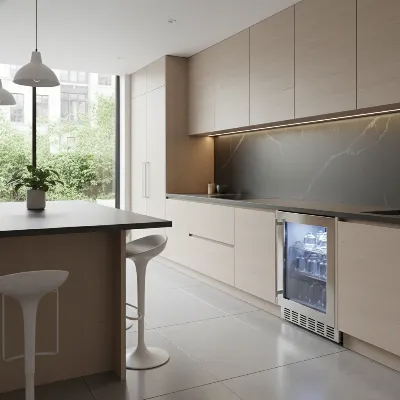 A sleek, built-in under counter ice maker seamlessly integrated into modern kitchen cabinetry, with a clear glass showcasing gourmet cube ice.
Cooling System
Under counter ice makers primarily use two cooling methods: air-cooled and water-cooled. Air-cooled units are generally more energy-efficient and simpler to install for residential use, as they dissipate heat into the surrounding room. They do, however, require adequate airflow and ventilation clearance. Water-cooled systems use a separate water line to cool the condenser, making them more efficient in hotter environments and quieter, but they consume more water and are typically found in commercial settings. For most home kitchens, an air-cooled model is the practical choice.
Additional Features and Technology
Modern ice makers come with a range of features that can enhance convenience and performance:
- Self-cleaning cycles simplify maintenance and ensure hygienic ice production.
- Built-in water filtration improves ice taste and clarity by removing impurities.
- Smart controls with LCD panels allow for easy operation, ice size adjustment, and can include alarms for full ice bins or low water levels.
- Durable construction, often stainless steel, ensures longevity and a premium appearance.
Top Brands and Models
Several manufacturers offer excellent built-in under counter ice makers, each with its strengths. Brands like KitchenAid, Whirlpool, U-Line, and Scotsman are well-regarded for their residential models. KitchenAid and Whirlpool often focus on robust performance and integration with other kitchen appliances, while U-Line is known for its variety of ice types (crescent, clear, nugget) and customizable finishes. Scotsman, a leader in ice machine technology, also offers high-quality residential units known for their reliability and efficiency. Thor Kitchen provides professional-grade features at a practical price point.
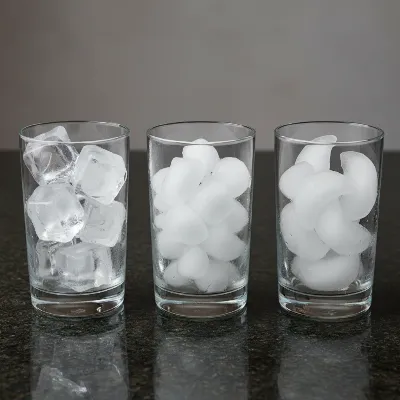 A side-by-side comparison of different ice types (clear cube, nugget, crescent) from under counter ice makers, highlighting their unique shapes and textures in separate glasses.
Installation and Maintenance Best Practices
Proper installation and routine maintenance are crucial for the longevity and efficient operation of your built-in under counter ice maker. Adhering to these best practices will ensure a consistent supply of fresh, clean ice.
Professional Installation Recommendations
While some DIY enthusiasts might attempt installation, it is highly recommended to engage a licensed plumber and electrician. This ensures compliance with local codes, proper water line and drain connections, and safe electrical wiring. Incorrect installation can lead to leaks, electrical hazards, or inefficient operation. The unit must be placed on a flat, stable surface, with adequate ventilation clearance (typically 4-6 inches around sides and back for air-cooled models). If the unit was shipped on its back, allow it to sit upright for at least 24 hours before plugging it in to allow compressor oil to settle.
Routine Cleaning and Care
Regular cleaning prevents mineral buildup and maintains ice quality.
- Daily: Wipe down the exterior and remove any unused ice from the bin. Ensure the water input is clean and continuous.
- Weekly: Rinse the ice bin and scoop with warm water and a mild detergent.
- Monthly: Perform a thorough cleaning cycle using a vinegar solution or an approved ice machine cleaner, followed by a thorough rinse.
- Water Filters: If your unit has a water filter, replace it every 3-6 months to maintain ice clarity and taste.
- Condenser Coil: Periodically clean the condenser coil to ensure proper airflow and prevent overheating, which can impact efficiency.
- Temperature: Operate the unit within the manufacturer’s recommended ambient temperature range, typically 55-80°F (13-27°C) for built-in models, to optimize performance.
Troubleshooting Common Issues
If your ice maker isn’t performing optimally, here are some quick checks:
- Not Making Ice: Verify the water supply is connected and turned on, check for tripped circuit breakers, ensure the ice bin isn’t full, and clean any clogged water filters.
- Slow Production: Clean the condenser coil for better airflow, check for high ambient temperatures, and ensure the evaporator assembly is free of ice buildup.
- Strange Noises: Ensure the machine is level and free of any foreign objects that might be causing vibrations. For issues with the drain pump, check for debris or kinks in the vent line.
“A built-in ice maker transforms kitchen functionality, providing a constant supply of high-quality ice without compromising design. It’s an investment in convenience and elevates every social gathering.” – Alice Johnson, Home Appliance Expert
Conclusion
A built-in under counter ice maker is more than just a luxury; it’s a functional upgrade that significantly enhances your kitchen’s convenience and entertainment capabilities. By carefully considering ice type, capacity, installation requirements, and key features, you can choose a model that seamlessly integrates into your home and consistently delivers the perfect ice for every occasion. From crystal-clear cubes for sophisticated cocktails to chewable nuggets for everyday enjoyment, the right ice maker will ensure your household is always prepared for refreshment. Are you ready to discover the ease and elegance that a dedicated ice maker brings to your kitchen?
Frequently Asked Questions
How often should I clean my built-in ice maker?
It is recommended to wipe the exterior daily and rinse the ice bin weekly. A thorough cleaning cycle using a descaling solution or vinegar should be performed monthly to prevent mineral buildup and ensure optimal performance and hygiene. Replacing water filters every 3-6 months is also crucial.
Do built-in ice makers require a drain?
Yes, most built-in under counter ice makers require a drain connection to remove melted ice water. Depending on the model and plumbing setup, this can be a gravity drain that needs a downward slope or a unit with a built-in drain pump that forces water out, offering more flexibility in placement.
What’s the difference between clear ice and nugget ice?
Clear ice is dense, slow-melting, and crystal-clear, ideal for cocktails and spirits due to minimal dilution and elegant presentation. Nugget ice, also known as chewable ice, is softer, porous, and melts faster, making it popular for soft drinks and blended beverages, and for those who enjoy its chewable texture.
How much ice does an under counter ice maker produce daily for home use?
For typical residential use, an under counter ice maker producing 25-40 pounds of ice per day is generally sufficient. However, for households that frequently entertain or have high demand, models capable of producing 50-100 pounds per day are available and may be a better fit.
Can I install a built-in ice maker myself?
While some basic ice maker installations can be a DIY project, it’s highly recommended to use professional plumbers and electricians for built-in under counter models. This ensures correct water line and drain connections, proper electrical wiring, and compliance with local building codes, preventing potential leaks or safety hazards.
